
Sleep Apnea and Life Insurance: A California Reality Check
For many Californians, the thought of applying for life insurance can feel like a medical interrogation. Add a condition like sleep apnea to the mix, and some folks just throw up their hands. “They’ll never cover me,” is a common refrain. Or, “If they do, it’ll cost a fortune.” Honestly, that’s a pretty common misconception. The truth is often far less dramatic than you might imagine.
It’s easy to get caught up in the fear of denial. After all, life insurance companies are in the business of assessing risk. A health condition, even a common one, naturally raises a red flag in some people’s minds. But here’s the thing: having sleep apnea doesn’t automatically disqualify you from getting coverage. Not by a long shot. In fact, many people living with sleep apnea secure excellent life insurance policies every single day, right here in the Golden State.
The Sleep Apnea Stigma: Why Insurers Care (and How They Don’t)
Let’s be blunt: life insurance companies *do* care about sleep apnea. Why? Because untreated, severe sleep apnea can lead to a host of other health problems. We’re talking about increased risks for high blood pressure, heart attack, stroke, diabetes, and even accidents due to daytime fatigue. These are all things that could shorten a person’s lifespan, which is exactly what an insurer is trying to predict.
But wait — that’s not the whole story. The key word there is *untreated*. Insurers are less concerned with the diagnosis itself and far more interested in how you’re managing it. Are you ignoring it? Or are you actively working with your doctor, using your CPAP machine, and making lifestyle changes? Big difference.

Untreated vs. Treated: The Big Divide
This is where the rubber meets the road. If you’ve been diagnosed with sleep apnea but haven’t sought treatment, or if you’ve been prescribed a CPAP machine and it’s gathering dust in your closet, that’s a problem for an underwriter. They’ll see you as a higher risk because all those associated health issues are still very much on the table. They’re looking at a potential future claim that could have been avoided.
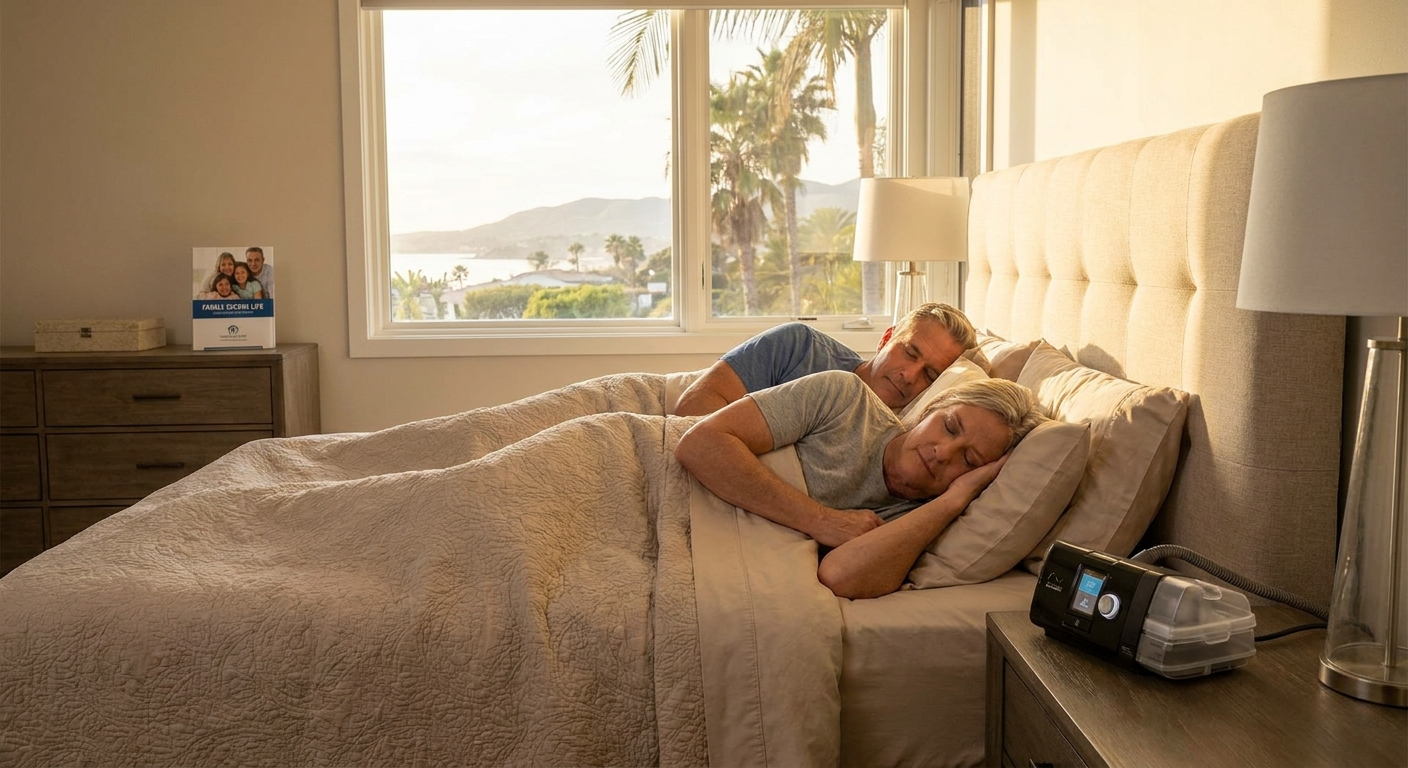
However, if you’re actively treating your sleep apnea — using your CPAP regularly, seeing your doctor for follow-ups, maybe even losing weight if that was a contributing factor — insurers see a different picture. They see someone proactively managing their health. They see someone reducing those potential risks. This makes a world of difference in their eyes. For someone in, say, Ventura County who’s been diligent with their CPAP for years, their application will look much stronger than someone in the Inland Empire who just got diagnosed and hasn’t started treatment.
Getting Life Insurance with Sleep Apnea in California: What to Expect
So, you have sleep apnea and you’re ready to apply for life insurance. What’s the process really like? It’s pretty similar to anyone else’s application, but with a few extra questions and a bit more scrutiny on your medical history.
Expect a medical exam. Most policies require one. This usually involves a nurse coming to your home or office to take blood and urine samples, check your blood pressure, and record your height and weight. They’ll ask about your medical history, too.
Your medical records will be important. The insurance company will likely request records from your doctor, especially those related to your sleep apnea diagnosis and treatment. They want to see the official diagnosis, the severity (mild, moderate, severe), your treatment plan, and your compliance with that plan. If you’re using a CPAP, they might even ask for compliance data from the machine itself.
Rates? They won’t always be “standard” — meaning the lowest possible rate for someone of your age and health. But they’re also very unlikely to be an outright denial, especially if your condition is well-managed. You might get what’s called a “table rating,” which means your premium is a bit higher than standard, but still perfectly affordable and a worthwhile investment for your family’s future.
It’s Not Just About the Diagnosis
Here’s something most people miss. While sleep apnea is a big factor, it’s not the *only* factor. Insurers look at your entire health profile. Are you otherwise healthy? Do you have high blood pressure or cholesterol? What about diabetes? Are you a smoker? Do you have a family history of heart disease or cancer?
All these things play a role in determining your final rate. A person with well-managed sleep apnea but otherwise excellent health might get a better rate than someone with mild sleep apnea who also smokes and has uncontrolled blood pressure. It’s a whole-picture assessment.
California Living, California Rates: Does Location Matter?
When it comes to life insurance rates and sleep apnea, your specific address within California — whether you’re in San Francisco, Sacramento, or down in San Diego — doesn’t directly impact how an insurer views your sleep apnea. Underwriting guidelines are generally national for these kinds of health conditions.
However, California’s overall health consciousness and access to medical care can indirectly help. Many Californians are proactive about their health. We’ve got world-class medical facilities and a strong emphasis on wellness. This means more people are getting diagnosed and treated for conditions like sleep apnea, which, as we’ve discussed, works in your favor when applying for life insurance. So while the specific ZIP code won’t change the sleep apnea calculation, the general California approach to health might mean more applicants are managing their conditions effectively.
The Myth of the Automatic Denial: Why You Still Have Options
Let’s bust this myth right now: a sleep apnea diagnosis does *not* mean an automatic denial for life insurance. That’s just fear-mongering. The truth is, the life insurance market is vast and competitive. Different companies have different appetites for risk. What one insurer sees as a high risk, another might view as manageable, especially with good treatment.
This brings up something most people miss. You don’t have to settle for the first quote you get. Or even the second. Some insurers specialize in applicants with pre-existing conditions. Others are more lenient on certain health issues than others. Finding the right fit is key.
Finding the Right Fit: Why an Agent Makes a Difference
Trying to shop around for life insurance with a pre-existing condition like sleep apnea on your own can feel like a full-time job. You’re filling out applications, answering the same questions over and over, and hoping for the best. It’s exhausting.
This is exactly where an independent agent like Karl Susman comes in. Karl, with Get Approved Life Insurance and CA License #0B75129, works with dozens of different life insurance carriers. He knows their underwriting guidelines. He knows which companies are more favorable to applicants with sleep apnea, and which ones might be a tougher sell.
Instead of you doing all the legwork, Karl can take your information, present it to several companies, and come back to you with the best options available. He’s your advocate, helping you find coverage that fits your needs and your budget, even with sleep apnea. Don’t let a diagnosis stop you from protecting your family’s future.
Ready to see your options? It only takes a few minutes to start the process. Click here to get started with Karl Susman.
What to Do Before You Apply
Preparation is your best friend when applying for life insurance with sleep apnea.
First, get your health in order. If you’ve been diagnosed but haven’t started treatment, now’s the time. If you have a CPAP, make sure you’re using it consistently. If your doctor has recommended lifestyle changes, like weight loss or quitting smoking, try to show progress.
Second, gather your medical records. Know your diagnosis date, the severity of your sleep apnea, and details of your treatment. Having this information readily available will make the application process smoother and quicker. The more complete and positive a picture you can present of your health management, the better your chances of a favorable outcome.
Beyond Sleep Apnea: Other Factors That Influence Your Rate
We’ve talked a lot about sleep apnea, but it’s just one piece of the puzzle. Life insurance companies consider a range of factors when deciding your premium.
Your age, for example, is a huge one. Generally, the younger you are when you apply, the lower your rates will be. Your gender also plays a role, as women statistically live longer than men. Your family medical history — particularly if there’s a history of early death from heart disease or cancer — can also affect your rates.
Then there’s your occupation and hobbies. A desk job in the Valley is viewed differently than a high-risk job on an oil rig. Extreme sports enthusiasts might pay a bit more. It’s all about the perceived risk to your life.
Don’t Let Fear Stop You: The Value of Protection
Ultimately, life insurance isn’t just a financial product; it’s peace of mind. It’s knowing that if the unthinkable happens, your loved ones — your kids, your spouse, your parents — will be taken care of. They won’t have to worry about the mortgage, college tuition, or everyday expenses during an already difficult time.
Having sleep apnea might add a wrinkle to the application process, but it certainly doesn’t make it impossible. Many Californians with sleep apnea successfully secure coverage. Don’t let the fear of a “no” prevent you from exploring your options and protecting your family’s future. The potential benefits far outweigh the temporary hassle of an application.
Ready to explore your life insurance options with sleep apnea? Start your application with Karl Susman today.
Frequently Asked Questions About Sleep Apnea and Life Insurance
Can I still get affordable life insurance if I have severe sleep apnea?
Yes, absolutely. Even with severe sleep apnea, if it’s well-managed and you’re compliant with your treatment plan (like consistent CPAP use), many insurance companies will offer coverage. The rates might be slightly higher than someone without any health conditions, but they can still be very affordable. The key is demonstrating good health management.
Do I need to disclose my sleep apnea diagnosis on my application?
Always. It’s incredibly important to be completely honest and transparent on your life insurance application. Failing to disclose a known medical condition like sleep apnea can lead to your policy being denied or, worse, your claim being rejected later on. Insurers will find out about it through your medical records anyway. Honesty is always the best policy.
Will my CPAP compliance data be requested by the insurer?
Potentially, yes. For moderate to severe sleep apnea, especially if you’re using a CPAP machine, insurers often request compliance data from the device. They want to see that you’re regularly using it for the recommended number of hours per night. Good compliance shows you’re taking your health seriously, which underwriters appreciate.
What if I was diagnosed with sleep apnea years ago but haven’t been treated?
This situation can make getting life insurance more challenging. Untreated sleep apnea presents a higher risk to insurers because of the associated health complications. Your best course of action would be to start treatment immediately, establish a history of compliance, and then apply for life insurance. An agent like Karl Susman can advise you on the best timing.
Does getting life insurance with sleep apnea take longer?
It can sometimes take a little longer than a “clean” application, simply because the underwriters need to review more medical records and potentially get additional information from your doctor. However, with an organized approach and a good agent, the process can still be quite efficient. The extra time is usually worth it for the peace of mind.
This article is for informational purposes only and does not constitute financial advice.